Nested
A wearable that assisted-living residents press to ask for help, plus a phone app for the staff caring for them, replacing paper logs and texts on caregivers' personal phones. 1st place and a $6,000 grant at CSUF's school-wide Engineering Social Justice Competition, won in my freshman year.
| When | Mar 2026 |
|---|---|
| Role | Built the phone app and led the wearable's software, on a team of 5, mostly freshmen |
| Stack | React Native, JavaScript, Bluetooth, Seeed Studio XIAO nRF52840 board |
| Highlights |
|
| Links |
Why it exists
We visited assisted-living facilities around Fullerton and talked with their managers and nurses. They tracked care on paper and in spreadsheets. Caregivers got their daily assignments by text, on their own phones. One facility’s emergency system was a light on the wall that flickered when someone needed help.
Nested replaces that with two pieces: a wearable a resident presses to ask for help, and a phone app caregivers carry. The phone picks up the wearable over Bluetooth, so staff can see who needs help, and a visit can be logged automatically when a caregiver is near a resident instead of being written down by hand.
How we won
The competition ran from November 2025 to March 2026. Our team was mostly freshmen, competing against master’s students and upperclassmen. Partway through, we threw out our first idea and started over around elder care after visiting the facilities. Near the end I had to learn when to stop coding and put the time into our pitch.
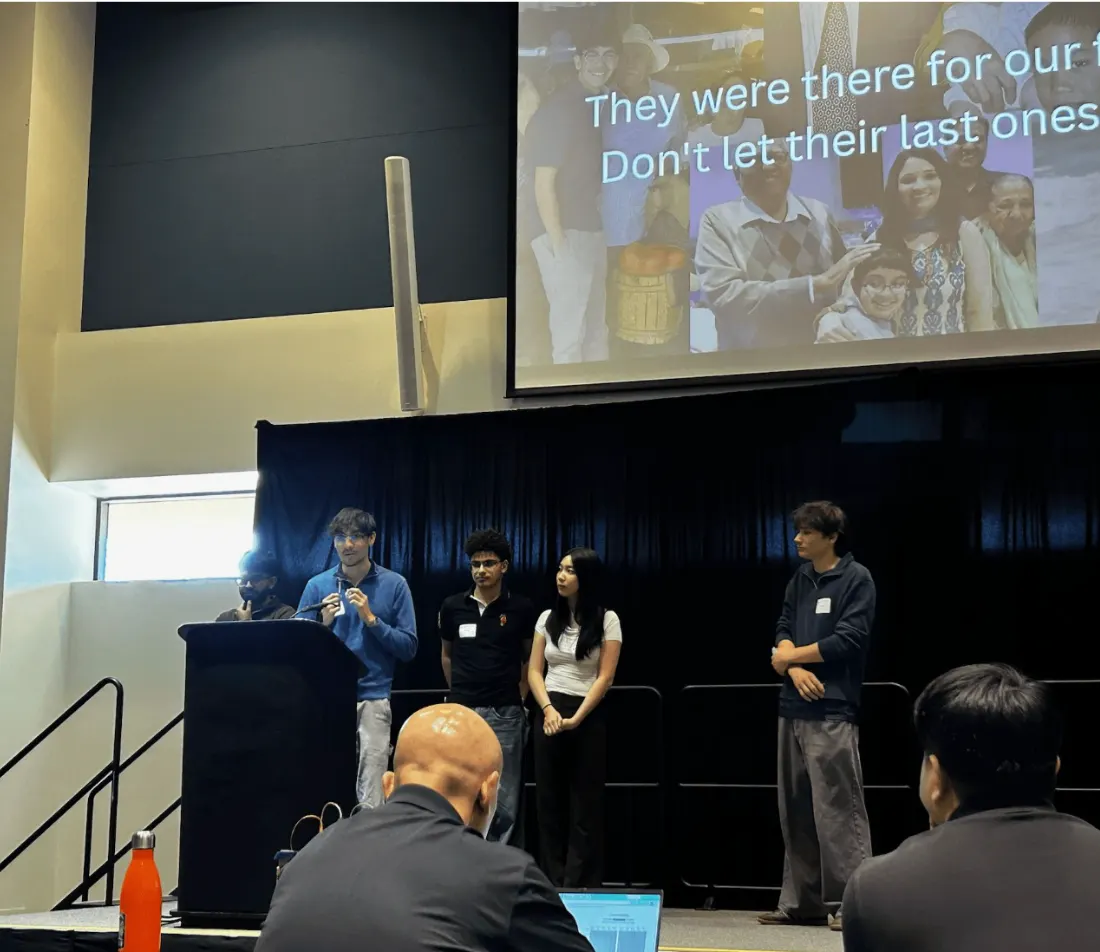
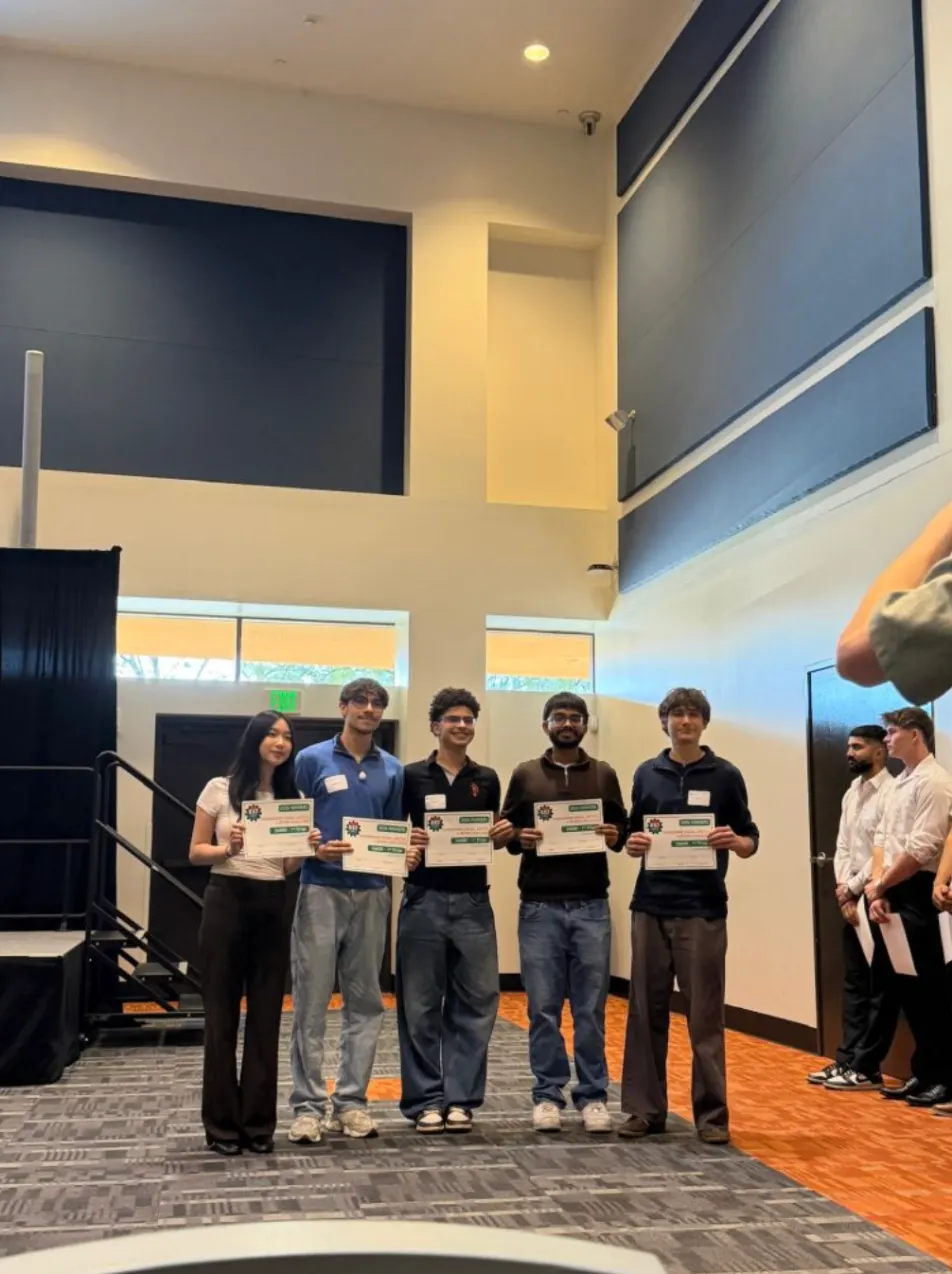
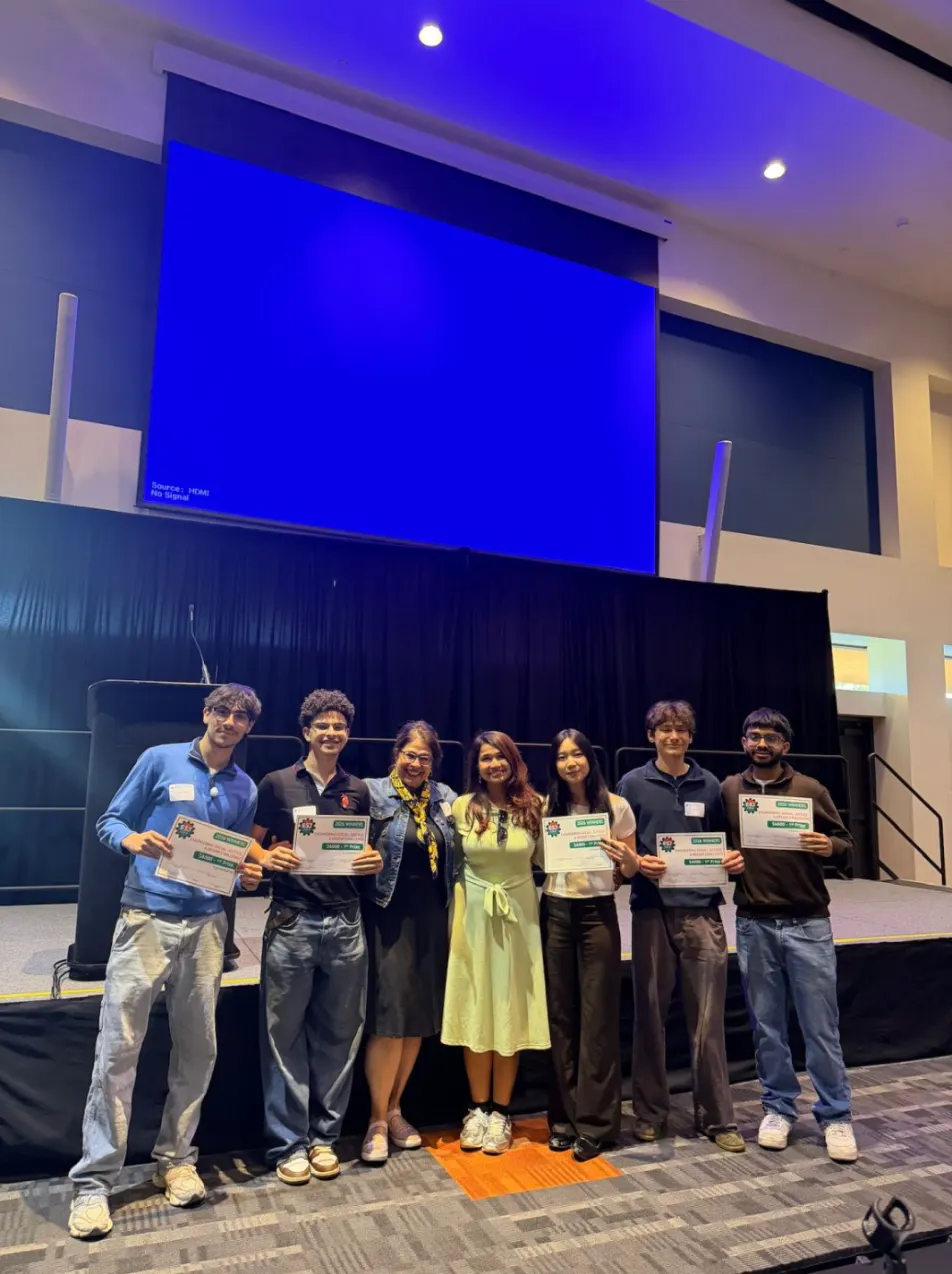
The full story is in my LinkedIn post about the win.
What I built
I built the phone app and the early design mockup, and I led the work on the wearable itself, a small Seeed Studio XIAO nRF52840 board. That included its software and the logic that tells when a caregiver is nearby.
Finding our wearables
The app scans for nearby Bluetooth devices, ignores anything that isn’t a Nested wearable, and connects to each new one it finds.
One connection per wearable
While scanning, a phone sees the same device over and over. The app remembers every wearable it has already seen, so it never opens a second connection to the same one.
Reading and clearing help requests
Each wearable reports one on/off value: does this person need help right now. The app reads it, notes when it changed, and can switch it back off once someone responds.
Sign-in screens
The app also has sign-in and account screens, built from shared pieces so every screen looks and behaves the same way.